Tropical luxury house design isn’t just about aesthetics; it’s a harmonious blend of nature and sophistication that invites a lifestyle of relaxation and elegance. Picture living in a home where architectural features embrace the beauty of the surrounding environment, utilizing materials that reflect the local culture while maximizing natural light and ventilation.
This design philosophy prioritizes sustainable practices and innovative trends, making it essential for homeowners and investors alike to understand the intricacies involved. With a focus on creating inviting interiors and leveraging the local art scene, tropical luxury homes offer a unique sanctuary that speaks to both comfort and opulence.
Tropical Luxury House Design Elements
Tropical luxury homes are renowned for their exquisite blend of natural beauty and modern aesthetics. These homes are designed to harmonize with their tropical surroundings, creating a tranquil and luxurious living experience. Key architectural features distinguish tropical luxury designs, incorporating elements that enhance comfort, sustainability, and style.
Key Architectural Features
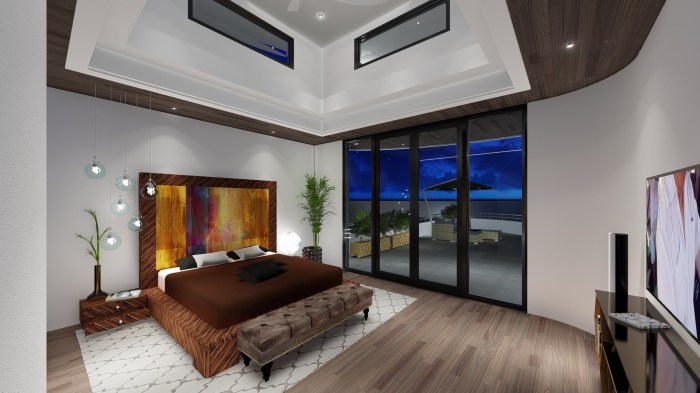
Tropical luxury homes often feature wide-open spaces, large overhangs, and expansive windows that invite natural light and promote air circulation. The architecture typically includes high ceilings, which help maintain a cooler interior temperature. Additionally, outdoor living spaces such as terraces and balconies are integral, allowing homeowners to enjoy the lush landscape and year-round warm climate.
Common Materials Used
The materials selected for tropical house designs are pivotal in achieving both aesthetic appeal and functionality. Commonly used materials include:
- Bamboo: A sustainable choice that adds a natural touch.
- Teak and Mahogany: Durable hardwoods that withstand humidity.
- Glass: Used for large windows and sliding doors to enhance views.
- Stone: Natural stone can be used for flooring and landscaping, blending seamlessly with the environment.
Importance of Natural Light and Ventilation
Natural light and ventilation are crucial in tropical luxury home design. Large windows and open floor plans facilitate cross-ventilation, reducing reliance on air conditioning. This design approach not only enhances comfort but also promotes a healthier living environment by minimizing moisture buildup and preventing the growth of mold.
Interior Design Trends for Tropical Luxury Homes
The interior design of tropical luxury homes reflects the vibrant culture and nature of tropical regions. Designers favor color palettes and furnishings that echo the beauty of the surroundings, creating spaces that are both elegant and inviting.
Popular Color Palettes
Color plays a significant role in setting the mood of tropical interiors. Commonly used color palettes include:
- Earthy Tones: Shades of brown, green, and beige mimic the natural landscape.
- Vibrant Accents: Bright colors like coral, turquoise, and sunny yellow add a cheerful touch.
- Neutral Bases: Soft whites and pastels provide a calm backdrop for more vibrant decor.
Complementary Furniture Styles
Furniture in tropical luxury homes is typically made from natural materials, emphasizing comfort and style. Popular styles include:
- Rattan and Wicker: Lightweight and perfect for an indoor-outdoor living aesthetic.
- Mid-Century Modern: Sleek lines and functional design that harmonize with natural elements.
- Bohemian Chic: An eclectic mix of textures and patterns that reflect local culture.
Incorporating Local Art and Culture
Incorporating local art and culture into home decor enhances the uniqueness of tropical luxury homes. This can be achieved by:
- Displaying traditional crafts and textiles.
- Using artwork from local artists that reflects the region’s heritage.
- Incorporating regional motifs and themes into decorative items.
The Role of a Real Estate Agent in Luxury Home Transactions
Real estate agents specializing in luxury homes have unique responsibilities that differ from those in standard home sales. Their expertise is crucial in navigating the complexities of high-end transactions.
Responsibilities of a Luxury Real Estate Agent
Luxury real estate agents provide essential services, including:
- Conducting thorough market research to advise clients on pricing and trends.
- Creating personalized marketing strategies tailored to the luxury market.
- Facilitating negotiations and ensuring smooth transactions.
Techniques in High-End vs. Standard Home Sales
Agents in luxury markets employ specific techniques that cater to affluent clients. These often include:
- Exclusive listings and private showings to maintain confidentiality.
- Utilizing high-quality photography and videography to showcase properties.
- Leveraging social media and luxury property platforms for targeted marketing.
Significance of Networking in Luxury Real Estate
Networking plays a vital role in luxury real estate. Agents build relationships with other industry professionals, potential buyers, and sellers to facilitate transactions. This extensive network can lead to off-market opportunities, giving their clients a competitive edge.
Investment Opportunities in Tropical Luxury Real Estate
The tropical luxury real estate market presents numerous investment opportunities. Savvy investors are keen to explore these potential hotspots, which offer both personal enjoyment and financial returns.
Potential Hotspots for Investment
Certain regions are emerging as prime locations for luxury property investments:
- Bali, Indonesia: Renowned for its natural beauty and thriving tourism.
- Maldives: Offers exclusive private island properties appealing to high-net-worth individuals.
- Phuket, Thailand: A popular destination with a growing luxury market.
Advantages of Investing in Luxury Vacation Rentals
Investing in luxury vacation rentals can be particularly lucrative due to:
- High rental yields during peak tourist seasons.
- The ability to utilize the property for personal vacations.
- Tax benefits associated with rental properties.
Insights into Return on Investment
Investors can expect varied returns on luxury homes, influenced by factors such as location and market demand. For example, properties in sought-after areas can appreciate significantly over time, offering substantial long-term gains.
Building and Designing a Tropical Luxury Home
The process of building a tropical luxury home involves careful planning and execution. Understanding the specific requirements of tropical climates is essential for creating a sustainable and beautiful dwelling.
Steps in the Home Building Process
Building a luxury home in tropical areas follows several key steps:
- Conducting a feasibility study to assess land and environmental conditions.
- Working with architects and builders familiar with local practices.
- Obtaining necessary permits and approvals from local authorities.
Considerations for Site Selection
Choosing the right site is crucial in tropical home design. Factors to consider include:
- Proximity to essential amenities such as roads and utilities.
- Topography and soil conditions to prevent flooding and erosion.
- Orientation to maximize views and natural light.
Significance of Sustainable Building Practices
Sustainable building practices are vital in tropical climates to minimize environmental impact. This includes:
- Utilizing eco-friendly materials and construction techniques.
- Incorporating energy-efficient systems to reduce energy consumption.
- Designing landscapes that enhance biodiversity and reduce water usage.
Challenges in Selling Tropical Luxury Homes
The luxury real estate market faces unique challenges, particularly in tropical regions. Understanding these obstacles is key to successfully navigating sales.
Common Obstacles in Selling Luxury Properties
Real estate agents encounter various challenges, including:
- Seasonal fluctuations in demand due to tourism patterns.
- High competition among luxury listings in desirable areas.
- Potential buyers’ concerns about climate-related risks.
Overcoming Market Fluctuations
Agents can employ strategies to combat market fluctuations, such as:
- Utilizing data analytics to identify trends and adjust pricing accordingly.
- Enhancing property visibility through targeted marketing campaigns.
- Building relationships with potential buyers to foster interest.
Strategies for Staging Tropical Homes
Effective staging is crucial for attracting buyers to luxury properties. This can include:
- Creating inviting outdoor spaces that highlight the tropical environment.
- Using neutral color schemes to appeal to a broad audience.
- Showcasing the home’s best features with strategic furniture placement.
Marketing Strategies for Tropical Luxury Homes
Effective marketing is essential for selling tropical luxury homes. Real estate agents must harness various strategies to reach the right audience.
Effective Marketing Channels
Utilizing the right marketing channels is crucial for luxury property listings. Effective channels include:
- Social media platforms, particularly those focusing on visual content.
- Luxury real estate websites that cater specifically to high-end buyers.
- Print media in upscale magazines and journals.
Use of Virtual Tours and 3D Rendering
Virtual tours and 3D renderings have revolutionized property showcasing. These technologies allow potential buyers to:
- Experience the property remotely, increasing interest.
- Visualize the space and layout before visiting in person.
- Make quicker decisions based on their initial impressions.
Creating Compelling Property Descriptions
Crafting compelling property descriptions is vital in luxury listings. Effective strategies include:
- Highlighting unique features and amenities.
- Incorporating storytelling to create an emotional connection.
- Utilizing persuasive language that conveys luxury and exclusivity.
Trends in Commercial Properties in Tropical Locations
The commercial real estate sector is experiencing growth in tropical areas, driven by tourism and development. Understanding the types of properties thriving in these markets is essential for investors.
The Rise of Commercial Real Estate
Commercial properties in tropical locations are becoming increasingly popular due to:
- The influx of tourists and expatriates seeking services.
- Government incentives for business development in these regions.
- Growing demand for luxury retail and hospitality services.
Types of Thriving Commercial Properties
Several types of commercial properties are thriving in tropical markets, including:
- Resorts and Hotels: Catering to an international clientele.
- Restaurants and Cafes: Offering diverse culinary experiences.
- Retail Spaces: Providing luxury goods to affluent consumers.
Future Trends in Tropical Commercial Real Estate
The future of tropical commercial real estate is promising, with predictions including:
- Increased investment in eco-friendly and sustainable developments.
- A greater focus on mixed-use properties that integrate living, working, and leisure spaces.
- Expansion of digital and e-commerce businesses adapting to local markets.
Sustainable Practices in Tropical Luxury House Design
Sustainable design is becoming increasingly important in tropical luxury homes. Implementing eco-friendly practices benefits both the environment and the homeowner.
Benefits of Green Building Certifications
Green building certifications offer numerous advantages, including:
- Improved energy efficiency and reduced utility costs.
- Enhanced property value and marketability.
- Positive environmental impact through sustainable practices.
Eco-Friendly Materials for Tropical Environments
Selecting appropriate materials is critical in tropical luxury home design. Eco-friendly options include:
- Recycled Materials: Utilizing reclaimed wood and metal.
- Low-VOC Paints: Minimizing indoor air pollution.
- Solar Panels: Reducing reliance on non-renewable energy sources.
Importance of Energy Efficiency
Energy efficiency is paramount in tropical luxury home design. Strategies to enhance efficiency include:
- Installing energy-efficient appliances and lighting.
- Incorporating shading devices to reduce cooling costs.
- Designing landscapes that minimize water usage and promote biodiversity.
The Future of Tropical Luxury Homes
The future of tropical luxury homes is set to evolve, driven by technological advancements and changing lifestyles. These factors will shape design trends and buyer preferences.
Predictions for Luxury Home Design Evolution
Experts predict that tropical luxury home design will continue to innovate, focusing on:
- Greater integration of smart home technology for convenience and security.
- Designs that prioritize wellness and sustainability.
- Increased emphasis on outdoor living spaces as an extension of the home.
Impact of Technology on Luxury Home Features
Technology is transforming luxury homes, introducing features such as:
- Home automation systems controlling lighting, temperature, and security.
- Advanced HVAC systems for improved air quality and comfort.
- Integrated entertainment systems for a seamless living experience.
Lifestyle Changes Influencing Design Trends
Shifts in lifestyle preferences are also impacting luxury home design. Notable trends include:
- A growing demand for multi-functional spaces that adapt to various needs.
- Increased interest in wellness amenities such as home gyms and meditation spaces.
- A focus on creating work-from-home environments that promote productivity.
Last Word
As we look to the future, tropical luxury house design is poised to evolve, influenced by technological advancements and shifting lifestyle preferences. Whether through sustainable building practices or innovative marketing strategies, the charm of these homes continues to captivate, promising an enduring appeal in the luxury real estate market.
Question Bank
What are the key features of tropical luxury house design?
Key features include open floor plans, large windows for natural light, and the use of local materials that blend seamlessly with the environment.
How do you choose the best location for a tropical luxury home?
Consider factors like climate, accessibility, local amenities, and proximity to natural attractions when selecting a site.
What is the role of sustainability in tropical luxury home design?
Sustainability is crucial as it promotes eco-friendly practices, energy efficiency, and uses materials that have a minimal environmental impact.
How can local culture be incorporated into tropical luxury home interiors?
By including local art, traditional crafts, and culturally significant colors and patterns that reflect the area’s heritage.
What are the investment benefits of tropical luxury properties?
They often provide high returns through vacation rentals and appreciation value due to their desirable locations and unique offerings.